
 Ibeju -Lekki
ECOWAS Bank Approves $266.7 Million for Strategic Infrastructure Projects Across Nigeria and West Africa
ECOWAS Bank Approves $266.7 Million for Strategic Infrastructure Projects Across Nigeria and West Africa
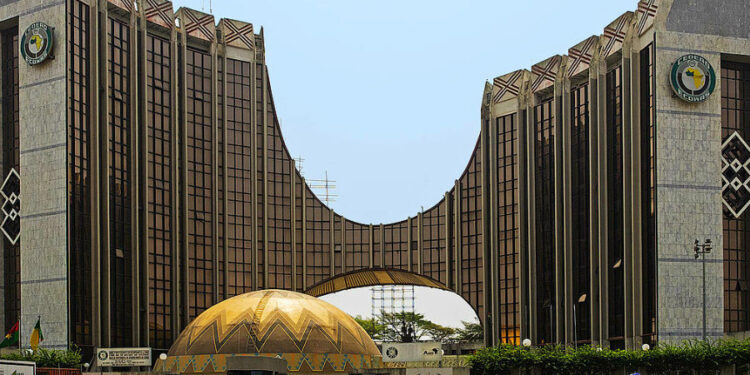
The ECOWAS Bank for Investment and Development (EBID) has approved a total of $266.7 million alongside CFA 30 billion to finance critical infrastructure and development projects across Nigeria and other West African countries.
The funding decision, reached during the bank’s 95th Board of Directors meeting, reinforces EBID’s commitment to driving sustainable economic growth, regional integration, and infrastructure development across the sub-region. (African Business)
Key Projects in Nigeria
Nigeria stands out as a major beneficiary of the newly approved funds, with significant allocations directed toward infrastructure and environmental development.
1. Lagos–Calabar Coastal Highway – $100 Million
One of the most notable investments is the $100 million allocation for the Lagos–Calabar Coastal Highway project.
This ambitious corridor, which spans multiple coastal states, is expected to:
- Improve interstate connectivity
- Reduce traffic congestion
- Boost logistics efficiency
- Stimulate regional and cross-border trade
For real estate investors, this project is particularly significant as it will likely open up new development corridors and increase land value along the coastal axis. (Vanguard News)
2. Bauchi State Transport Infrastructure – $91.63 Million
EBID also approved $91.63 million for road and transport infrastructure development in Bauchi State.
The project is aligned with Nigeria’s National Development Plan and will:
- Improve access to rural and agricultural zones
- Reduce transportation costs
- Enhance connectivity to essential services
This is expected to unlock economic activities in underserved regions, creating new opportunities for housing and commercial real estate expansion. (Vanguard News)
3. Lagos Waste Management Infrastructure – $50 Million
A $50 million investment has been earmarked for waste management facilities in Lagos under a public-private partnership.
Key expected outcomes include:
- Increase in recycling rates to 45%
- Creation of over 5,000 jobs
- Production of 60,000 tonnes of organic compost annually
- Reduction in environmental and public health risks
This initiative will significantly improve urban livability and sustainability, which are key drivers of property value in major cities like Lagos. (Vanguard News)
Regional Impact Across West Africa
Beyond Nigeria, the funding package also supports projects in:
- Ghana (industrial manufacturing)
- The Gambia (agriculture expansion)
- Senegal and Côte d’Ivoire (SME financing and economic development)
These investments are designed to strengthen:
- Industrial growth
- Agro-processing capacity
- Job creation
- Regional trade integration
According to EBID, the overall objective is to build a more resilient, inclusive, and economically integrated West Africa. (African Business)
What This Means for Real Estate and Investors
For stakeholders in Nigeria’s property and infrastructure space, this development presents several opportunities:
1. Rising Property Values Along Infrastructure Corridors
Major projects like the Lagos–Calabar Highway typically lead to:
- Increased land demand
- Rapid urban expansion
- Appreciation in property prices
2. New Investment Hotspots
Emerging areas in:
- Coastal regions
- Transport-linked corridors
- Secondary cities like Bauchi
will likely become next-generation real estate investment hubs.
3. Improved Urban Development Standards
With investments in waste management and infrastructure:
- Cities become more livable
- Property attractiveness increases
- Long-term rental and resale values improve
PropertySage Insight
At PropertySage Limited, we see infrastructure as the strongest driver of real estate value appreciation.
Projects like these are early indicators of:
- Where smart investors should buy land now
- Where future cities will expand
- Where returns on investment will multiply
The best time to invest is before infrastructure is completed—not after prices surge.
Conclusion
The $266.7 million EBID funding marks a significant step toward transforming Nigeria’s infrastructure landscape and strengthening West Africa’s economic future.
For investors, developers, and property buyers, this is more than news—it is a strategic signal.
Infrastructure is coming. Growth is coming. The opportunity is now.